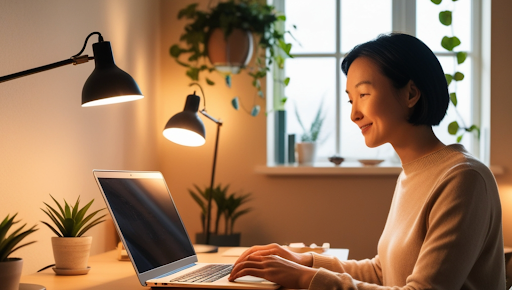
When people started working from home, they focused on fast internet, a comfy chair, and a good desk. They forgot about lighting, and many found it hard to work. Light affects mood and focus. Bad lighting makes you tired and stressed. Good lighting helps you stay alert and happy. Many casinos, like 20bet, use bright, smart lighting to make your visit more fun.
Understanding Color Temperature
Light has a “color temperature.” Warm light is yellow or orange, like a candle. Cool light is blue or white, like midday sky. It affects more than just how things look. They also influence how alert or relaxed we feel.
The Science Behind Light and the Brain
Our body watches the light to know day and night. Bright, blue‑white light says, “Stay awake.” Soft, warm light says, “Relax.” Wrong light in your home office can confuse your body and make you stressed or tired.
Remote Work and Mental Health
Working from home can mix work and rest. Bad light makes days feel long and nights too bright. Dark rooms with screens can cause headaches and stress. Good lighting is not just about looks; it helps protect mental health.
Warm vs. Cool Light in Daily Use
Warm light is comfy and good for relaxing. Cool light wakes you up and helps you focus. People often use cool light in the morning and warm light at night. This mirrors the natural day.
Small Adjustments with Big Effects
Not everyone can buy smart lights. You can still improve lighting. Place your desk near a window to catch natural light. Add a lamp with the right bulb to brighten your work. Bright white for writing or calls. Warm light for late-day reading. These small choices build healthier routines.
Emotional Effects of Lighting
Light changes emotions in subtle ways. A dim, warm space can feel safe and calm, but may lower productivity. A bright, cool light wakes you up, but you can feel harshly. Changing light during the day helps you stay alert without getting tired.
Video Calls and Lighting
When you work from home, video calls happen a lot. Light matters. Cool white light shows your face clearly, but it can feel cold. Warm light looks natural but may be too dark. Many people use ring lights or mix sunlight and lamps to look good on camera.
Seasonal Affects and Remote Work
In northern regions, winter brings shorter days. Remote workers may spend weeks with little daylight exposure. This can make people feel sad in winter. Bright, cool lights at home can act like sunlight. Special lamps for light therapy are also becoming popular.
The Link Between Lighting and Productivity
Good light helps you focus and make fewer mistakes. Workers in bright spaces feel less stressed. Using a brighter or cooler light can help you focus. Working well isn’t just about effort—it’s also about your space.
Designing for Personal Preference
Not all workers react the same way. Some find cool light stressful. Others love it for the energy boost. Experimenting is important. Try different bulbs or set up zones with different lamps. The goal is not one “perfect” setup but a personal balance that supports both work and rest.
The Hidden Cost of Bad Lighting
Bad lighting isn’t just annoying—it can strain your eyes, cause headaches, and mess with your sleep. Over time, it leaves you tired, stressed, and less able to focus. For people working from home, this makes them work harder.
Blending Natural and Artificial Light
The best offices use both sunlight and lamps. Natural light sets the body’s rhythm, while artificial light fills gaps. Position desks near windows but avoid direct glare. Use blinds to soften harsh rays. Then add lamps that match the time of day. This mix feels natural and keeps the brain in sync.
The Role of Color in Creativity
Warm, soft light can help people be more creative. Artists, writers, and designers often feel more inspired under it. Bright, cool light works better for tasks needing precision, like data analysis. Matching light color to the type of work can boost both creativity and efficiency.
Eye Health and Long Screen Hours
Remote workers spend most of the day looking at screens. Without balanced lighting, the eyes strain more. Using both room light and a desk lamp makes your screen easier to see. It helps your eyes feel less tired and stay healthy.
Affordable Tools for Better Lighting
You don’t need fancy lights for your home office. Small lamps or LED lights are enough. Even cheap bulbs can change between warm and cool light. With small investments, workers can create healthier and more comfortable setups.
A Future of Health-Centered Lighting
The rise of remote work means lighting will only grow in importance. Companies designing home office gear are now exploring “human-centric lighting.” This trend focuses on supporting health as much as productivity. It signals a shift: light is not just for seeing, but for well-being.
Keep an eye for more latest news & updates on Discover Tribune!